
As wildfire season intensifies across California, community advocates and legal professionals are sounding the alarm on the critical need for comprehensive emergency planning. In Sonoma County, a region historically impacted by devastating blazes, personal injury attorney Brittnie Panetta of Matthews & Associates is leading a push to elevate public awareness ahead of local safety events. While physical evacuation routes and structural defense are vital components of disaster readiness, public health experts emphasize that safeguarding medical supplies and pharmaceutical access remains an equally urgent, yet frequently overlooked, priority for vulnerable residents.
The health consequences of wildfires extend far beyond the immediate path of the flames. Wildfire smoke contains high concentrations of fine particulate matter, known as PM2.5, which can travel hundreds of miles and penetrate deep into the lungs. For individuals living with chronic respiratory conditions such as asthma and chronic obstructive pulmonary disease (COPD), as well as those with cardiovascular diseases, smoke exposure can trigger severe, life-threatening exacerbations. During these environmental crises, regional pharmacies and emergency departments typically experience a dramatic surge in demand for rescue inhalers, nebulizer solutions, and anti-inflammatory medications.
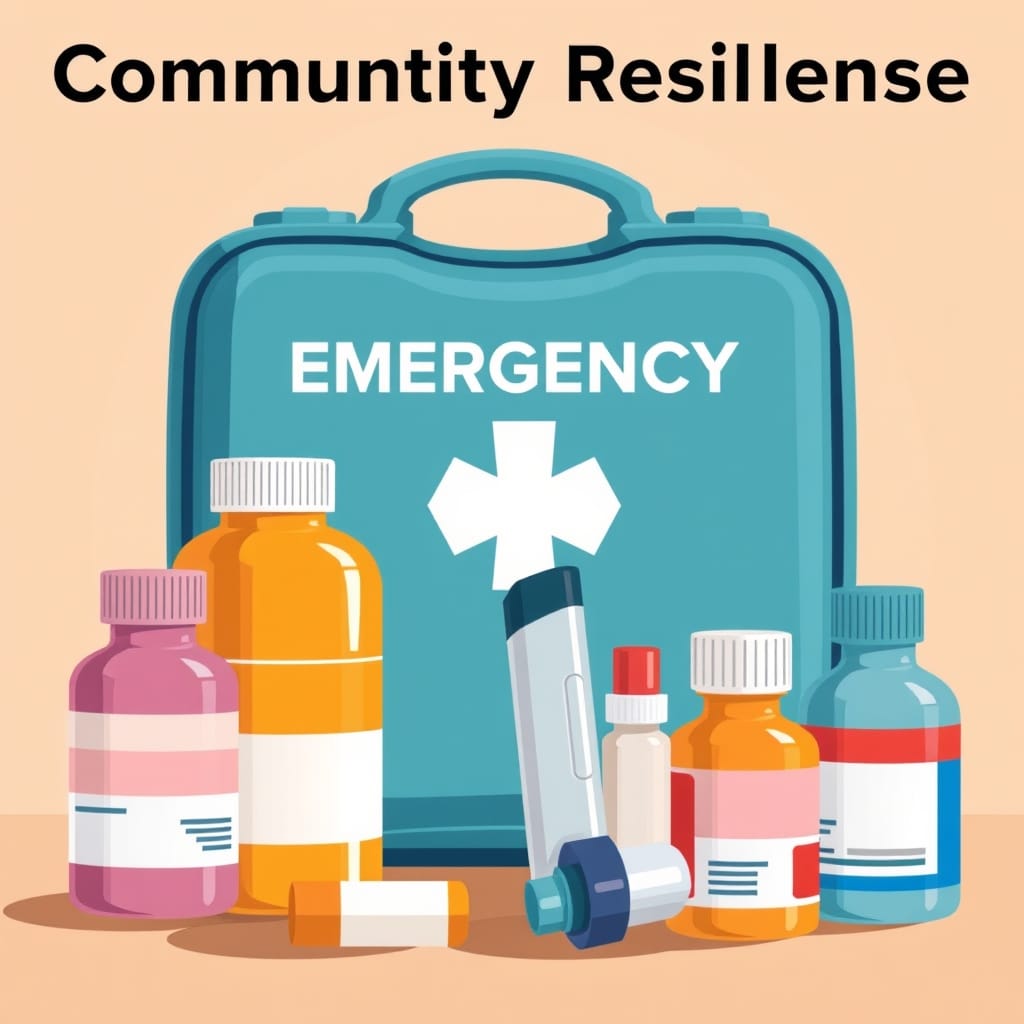
To mitigate these risks, healthcare providers and legal advocates urge patients to assemble a comprehensive “medical go-bag” as part of their evacuation protocol. This kit should contain at least a seven-to-fourteen-day supply of all essential daily medications, including insulin, blood pressure regulators, and psychiatric therapies. Maintaining the integrity of these medications during an evacuation presents unique challenges; for instance, biologics and insulin require strict temperature controls, making portable cooling cases an indispensable tool for displaced patients.
The pharmaceutical supply chain itself faces severe disruptions during active wildfire events. Power outages, road closures, and mandatory evacuation zones can force local pharmacies to close unexpectedly, leaving patients without access to their primary medication providers. To address these vulnerabilities, California has established regulatory safeguards that allow pharmacists to dispense emergency refills of life-sustaining medications under state-of-emergency declarations, even if the patient cannot immediately reach their prescribing physician. Understanding these legal provisions is crucial for residents who may find themselves displaced in unfamiliar municipalities.
Legal advocates like Panetta play a unique role in public health preparedness by bridging the gap between legislative safety nets and community action. When natural disasters strike, the breakdown of medical infrastructure can lead to severe health complications, which in turn raise complex questions regarding liability, institutional neglect, and insurance coverage. By educating the public on proactive preparedness, legal professionals aim to prevent the avoidable health crises that frequently result in long-term litigation and systemic strain on the healthcare system.
For patients with complex medical regimens, preparation also means digitizing vital health information. Keeping digital copies of active prescriptions, insurance cards, and primary care contact details on a secure cloud server ensures that displaced individuals can seamlessly transition their care to alternative pharmacies or emergency shelters. Additionally, residents are encouraged to establish relationships with regional health networks that utilize electronic health records, which greatly simplifies the process of verifying prescription histories during a crisis.
Ultimately, wildfire resilience in Sonoma County and across the state requires a coordinated effort among legal advocates, pharmaceutical manufacturers, local pharmacies, and individual citizens. By treating pharmaceutical access as a cornerstone of emergency planning, communities can better protect their most vulnerable populations from the compounding dangers of wildfire smoke and displaced medical care. As the region prepares for the challenges of another dry season, proactive education remains the most effective prescription for public safety.
Leave a Reply
You must be logged in to post a comment.